Keynote Speakers
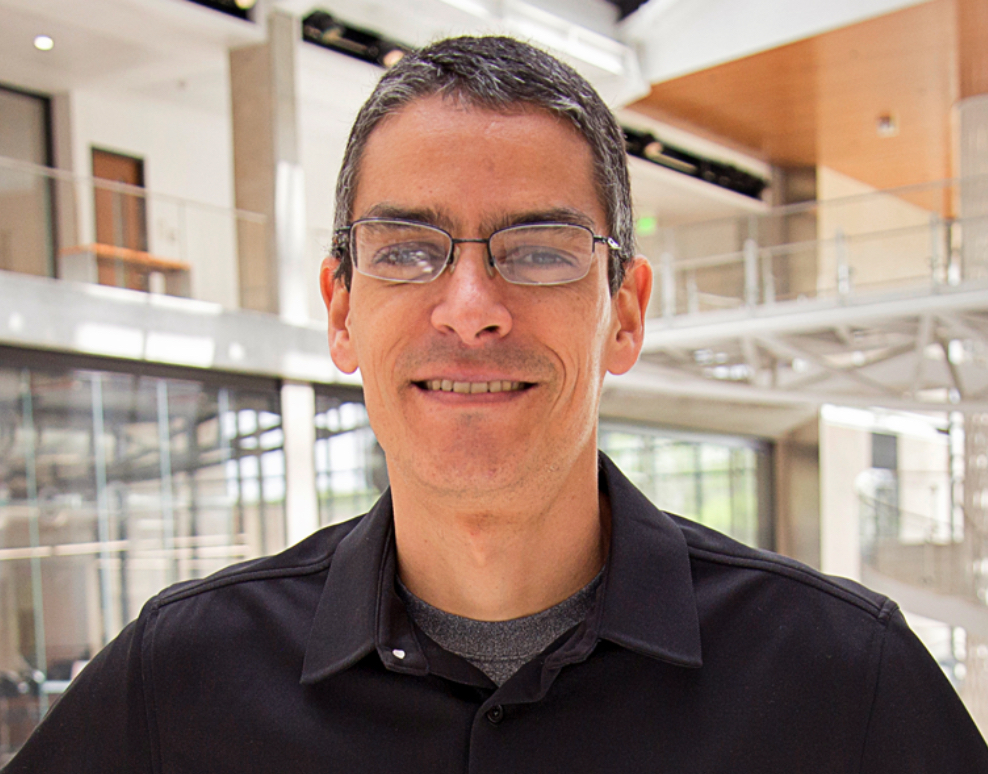
Edison Thomaz
The University of Texas at Austin
Title: TechSANS: An X-Ray of a Digital Phenotyping Study
Abstract: Digital phenotyping promises to transform how we understand health and disease by continuously and unobtrusively measuring behavior in everyday life. In this talk, I will provide an inside look at TechSANS, a longitudinal study exploring whether passive data from smartphones and wearable devices can reveal changes in cognitive function among older adults. Using TechSANS as a case study, I will trace the path from sensing and data collection to digital measures and machine learning models, highlighting findings involving behaviors such as gait, smartphone typing, and daily routines. Along the way, I will discuss some of the less visible challenges of conducting this research in the real world, including missing data, technology failures, privacy concerns, and participant burden. The talk will offer both a view of the potential of digital phenotyping and a practical perspective on what it takes to make it work.
Bio: Edison Thomaz is an Associate Professor and William H. Hartwig Fellow in the Chandra Family Department of Electrical and Computer Engineering at UT Austin, where he directs the Human Signals Lab. His research develops novel sensing platforms and AI/ML methods to characterize health and disease from multimodal behavioral data. His work has been published in leading venues spanning ubiquitous computing, human-computer interaction, and digital health, including ACM IMWUT/UbiComp, CHI, and biomedical and health informatics venues. Thomaz is an Editor of the ACM Proceedings on Interactive, Mobile, Wearable and Ubiquitous Technologies (PACM IMWUT) and serves as Steering Committee Chair of the UbiComp conference. He holds a bachelor's degree in Computer Science from UT Austin, a master's from the MIT Media Lab, and a Ph.D. in Human-Centered Computing from Georgia Tech.
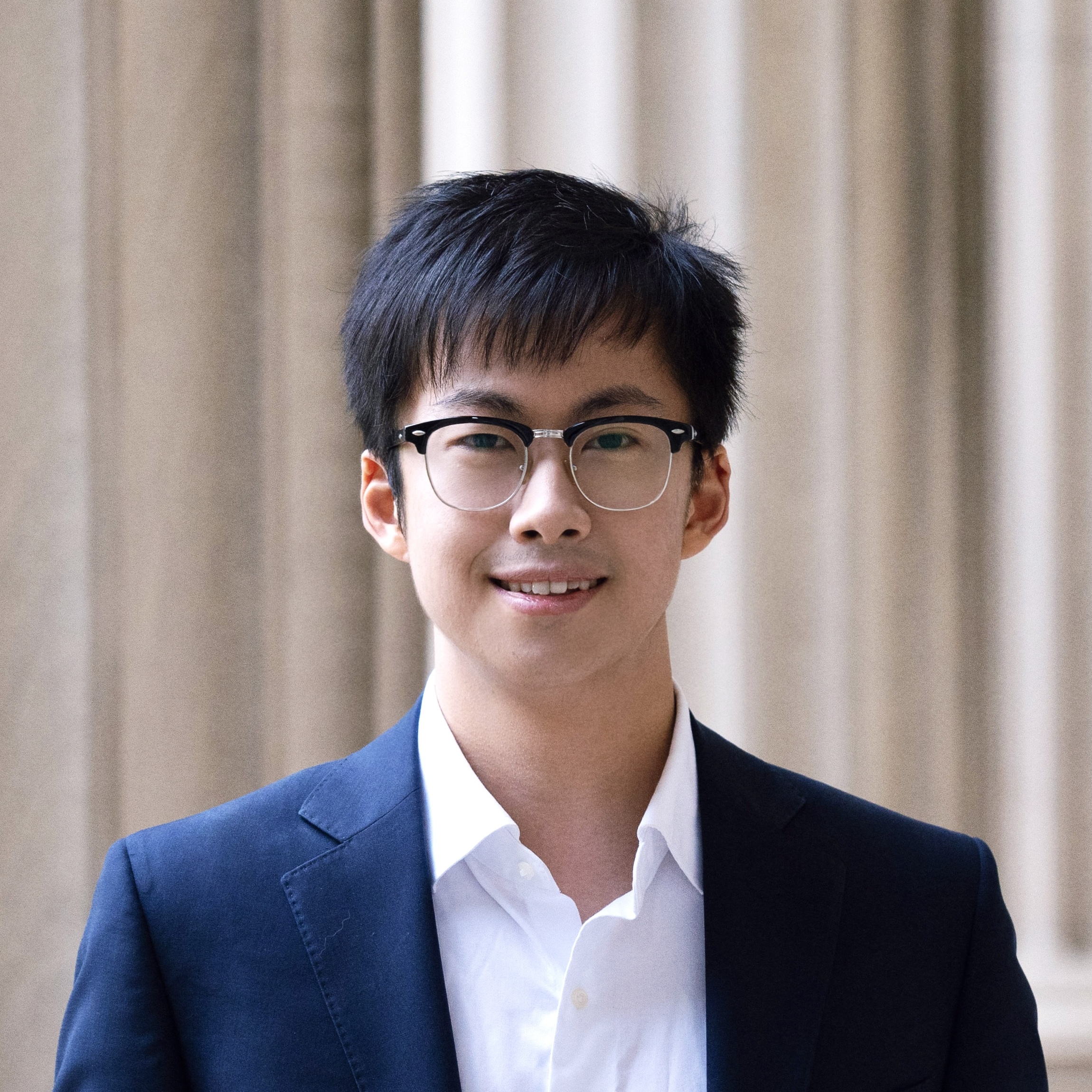
Yuzhe Yang
University of California, Los Angeles / Google
Title: Multisensory AI for Human Physiology and Personal Health
Abstract: Human physiology is becoming a new frontier for general-purpose AI. Unlike text and images, physiological signals are continuous, multimodal, and shaped by both short-term dynamics and long-term health trajectories. In this talk, I will present our recent work on foundation models and language-grounded understanding of sleep physiology. I will then discuss AI for metabolic health, including foundation models for continuous glucose monitoring and multimodal assessment of metabolic risk using wearables. Finally, I will cover health reasoning and agentic AI for physiological time series, together with a broader vision for AI systems that can interpret, reason over, communicate about, and support action on personal health.
Bio: Yuzhe Yang is an Assistant Professor at UCLA, and a visiting faculty researcher at Google. He received his PhD in Computer Science at MIT. His research interests include machine learning and AI for health. His research has been published in Nature, Nature Medicine, Science Translational Medicine, NeurIPS, ICML, and ICLR, and featured in media outlets such as WSJ, Forbes, and BBC. His work has been recognized by Rising Stars in AI and Data Science, AMIA Doctoral Dissertation Award, and Forbes 30 Under 30.